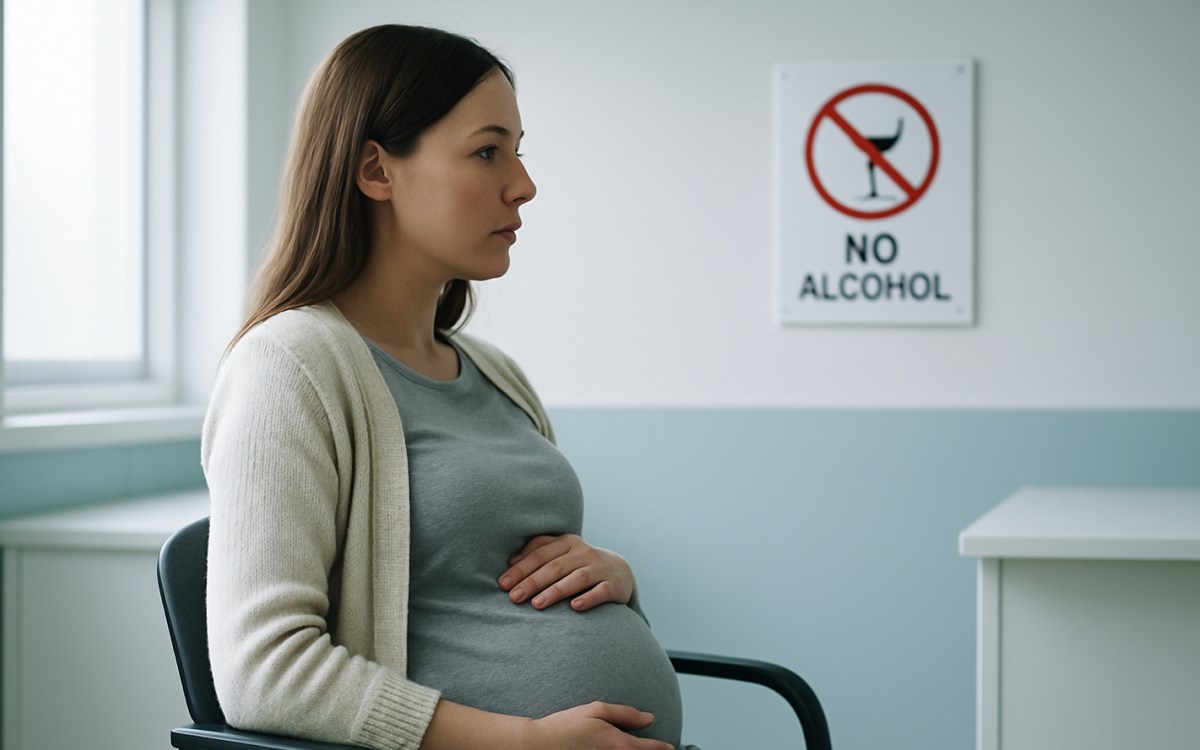
Pregnancy is a crucial stage that requires careful attention to health, nutrition, and lifestyle habits. The consumption of alcohol during pregnancy has become a major concern among healthcare experts because it can affect both the mother and the developing child. Doctors, hospitals, and healthcare professionals regularly advise pregnant women to avoid alcohol completely. Awareness regarding the risks linked with alcohol use has increased through hospitals, pharma campaigns, and pharmacy counselling services. Being aware of the long-term impact of alcohol exposure during pregnancy can help families make healthier choices for maternal and child wellbeing.
Alcohol Exposure and Maternal Health
Alcohol is a substance that enters the bloodstream quickly and can reach the developing baby through the placenta. During pregnancy, the unborn child cannot process alcohol effectively because the organs are still developing. Even small amounts of alcohol may create health concerns for the child.
Healthcare specialists, doctors, and hospital experts often recommend complete avoidance of alcohol throughout pregnancy. Many pharmaceuticals and medicines also carry warnings regarding alcohol interaction during pregnancy because of potential complications.
Why Alcohol During Pregnancy Is Harmful
Alcohol consumption during pregnancy may interfere with the baby’s growth and brain development. Healthcare professionals explain that the developing nervous system is highly sensitive to harmful substances.
Possible risks include:
- Low birth weight
- Premature birth
- Learning difficulties
- Behavioural problems
- Delayed growth
- Poor concentration skills
- Sleep disturbances in children
Doctors and hospital specialists frequently encourage regular prenatal check-ups to monitor maternal and child health.
Effects of Alcohol on Child Development
The impact of alcohol exposure may vary depending on the amount consumed and the stage of pregnancy. However, healthcare experts agree that avoiding alcohol entirely is the safest option.
Brain Development Problems
Alcohol can affect the formation and development of a baby’s brain during pregnancy, which may lead to long-term learning and behavioural challenges. Children exposed to alcohol before birth may experience difficulties related to memory, attention span, language development, problem-solving abilities, and social interaction. Doctors in hospitals often observe that these children may require additional educational, emotional, and behavioural support later in life to help manage developmental difficulties.
Physical Growth Concerns
Children affected by alcohol exposure during pregnancy may experience slower physical growth and developmental challenges compared to others. Common concerns can include smaller body size, reduced muscle development, delayed developmental milestones, and feeding difficulties during early childhood. Healthcare teams, including paediatric doctors and surgeons, may recommend specialised treatment plans, regular monitoring, and supportive therapies to help manage developmental complications and improve overall wellbeing.
The Link Between Alcohol and Pregnancy Complications
Alcohol may increase the likelihood of complications during pregnancy. Hospitals and healthcare centres regularly educate pregnant women about these risks.
Common Pregnancy Risks
Some complications associated with alcohol use include:
- Miscarriage
- Premature labour
- Stillbirth
- High blood pressure
- Nutritional deficiencies
Doctors also warn that combining alcohol with tobacco, or prescription drugs may further increase health risks for both mother and child.
Alcohol and Mental Health During Pregnancy
Pregnancy can bring emotional and physical changes. Healthcare professionals advise safer alternatives for emotional support.
Healthier Coping Methods
Doctors and healthcare specialists often encourage healthier coping methods during pregnancy to manage stress and support overall wellbeing. These methods may include regular exercise, relaxation techniques, family support, counselling sessions, and maintaining healthy sleep routines. Hospitals and healthcare centres may also provide access to mental wellness programmes and professional guidance for pregnant women experiencing emotional stress or anxiety.
Role of Doctors and Healthcare Professionals
Doctors play a significant role in educating families about the harmful effects of alcohol during pregnancy. Regular consultations help monitor both maternal and child health.
Guidance Offered by Healthcare Experts
Healthcare professionals often advise pregnant women to avoid alcohol completely in order to protect both maternal and child health. Doctors may also recommend reading labels on medicines and pharmaceuticals carefully, maintaining a healthy diet, attending routine hospital visits, and discussing any health concerns openly during check-ups. Pharmacy experts and chemist staff can also provide useful guidance about medicines and drugs that should be avoided during pregnancy to reduce potential risks and complications.
Importance of Prenatal Healthcare
Prenatal healthcare helps reduce the risk of complications during pregnancy. Hospitals and healthcare centres offer several services designed to support maternal wellbeing.
Essential Prenatal Care Practices
Essential prenatal care practices help support the health of both the mother and the developing baby throughout pregnancy. Important steps include attending routine doctor appointments, receiving nutritional counselling, following safe exercise guidance, monitoring blood pressure regularly, completing recommended screening tests, and using prescribed medicines properly. Healthcare providers closely monitor pregnancy progress and offer guidance to help reduce complications and promote healthy development.
Alcohol and Nutritional Deficiencies
Alcohol may interfere with the absorption of important nutrients required during pregnancy. This can affect both maternal health and child development.
Nutrients Commonly Affected
Alcohol consumption may reduce levels of folic acid, iron, calcium, vitamin B complex, and zinc. Doctors and healthcare specialists often recommend balanced diets along with pregnancy-safe medicines and supplements prescribed through hospitals or pharmacy services.
Can Occasional Alcohol Consumption Be Safe?
Healthcare experts generally agree that no amount of alcohol is considered completely safe during pregnancy. Since every pregnancy is different, doctors prefer a cautious approach to protect child health.
Why Complete Avoidance Is Recommended
The unborn baby’s organs develop throughout pregnancy. Alcohol exposure at any stage may create unwanted complications. Healthcare providers recommend avoiding alcohol entirely to minimise risks.
Building Healthy Habits During Pregnancy
Healthy lifestyle choices can support both maternal wellness and child development.
Recommended Healthy Habits
Pregnant women are often encouraged to follow healthy lifestyle habits to support both maternal and child wellbeing throughout pregnancy. This includes eating balanced meals, staying properly hydrated, getting adequate sleep, avoiding alcohol and tobacco, taking prescribed medicines correctly, and attending regular healthcare appointments. Doctors and healthcare specialists also emphasise the importance of maintaining emotional wellbeing, as mental health plays a key role in a healthy pregnancy.
Alcohol use during pregnancy can create serious health risks for both the mother and the developing child. Healthcare experts, doctors, hospitals, and pharmacy professionals strongly recommend avoiding alcohol completely throughout pregnancy. Maintaining healthy habits, attending regular hospital visits, and following medical guidance can support safer maternal and child health outcomes. Awareness regarding the harmful effects of alcohol, tobacco, and unsafe medicines continues to grow through healthcare education initiatives. Careful lifestyle choices during pregnancy contribute significantly to healthier child development and long-term wellbeing.