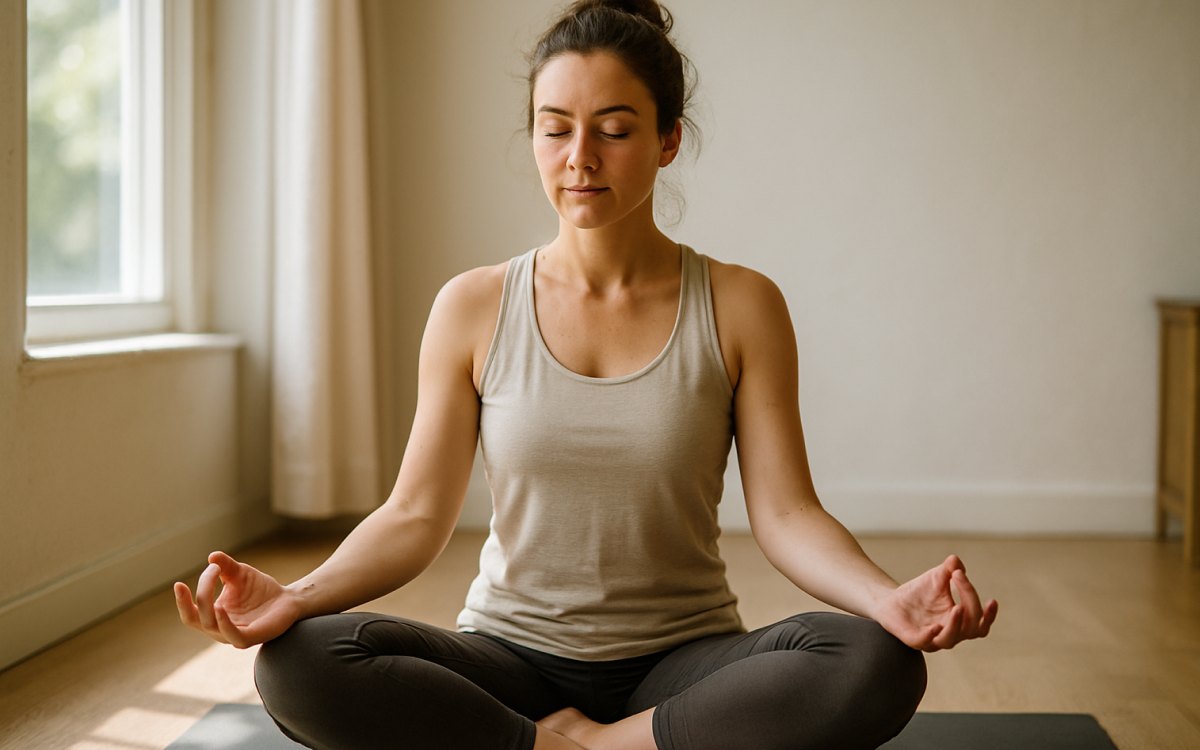
Everyday wellness is built on small, consistent choices that support the body and mind, rather than dramatic changes made once in a while. When a person pays attention to daily habits, it becomes easier to prevent common health issues like fatigue, weight gain, and poor sleep. Simple steps such as eating balanced meals, staying active, and managing stress can significantly improve energy, mood, and immunity. With a practical and realistic routine, anyone can move towards long-term health and feel more in control of their wellbeing.
Start the Day with Hydration
Beginning the day with water helps the body rehydrate after several hours of sleep and supports digestion and circulation. A person can keep a glass or bottle of water near the bed or kitchen counter as a visual reminder. Adding a slice of lemon is optional, but plain water is usually enough. Throughout the day, sipping small amounts regularly is better than drinking a lot at once.
Build Balanced, Home‑Style Meals
A balanced plate typically includes whole grains, lentils or other protein sources, vegetables, and a small portion of healthy fats. A person can aim for half the plate to be filled with vegetables, one-quarter with protein, and one-quarter with grains. Choosing home‑cooked food most of the time helps control oil, salt, and sugar levels. Regular meal timings and avoiding overeating also support better digestion and steady energy levels.
Snack Smart, Not Just Often
Frequent snacking on fried or packaged items can lead to weight gain, sluggishness, and sugar cravings. Instead, a person can keep healthier options ready, such as fruits, nuts, roasted chana, or yogurt. Planning snacks in advance reduces the chance of impulsive, less healthy choices. Eating slowly and mindfully, rather than in front of screens, also helps the body register fullness on time.
Stay Active in Simple Ways
Long hours of sitting are common in office and work‑from‑home setups, but even small bursts of movement can make a difference. A person can take short walking breaks every hour, use stairs instead of lifts for a few floors, or stretch during calls. Setting a step goal or using a basic fitness app may provide gentle motivation without pressure. The key is consistency, moderate activity most days of the week is more helpful than intense exercise occasionally.
Create a Realistic Exercise Routine
Exercise does not always require a gym membership or fancy equipment. Brisk walking, cycling, bodyweight exercises, or simple home workout videos can be effective when done regularly. A person can start with 15–20 minutes a day and gradually increase duration and intensity. Choosing activities that feel enjoyable, like dancing, yoga, or group walks, makes it easier to maintain the habit. Warm‑up and cool‑down stretches should be included to reduce the risk of injury.
Prioritize Quality Sleep
Good sleep repairs the body, balances hormones, and supports mental clarity. Adults generally benefit from 7–9 hours of sleep each night, but quality matters as much as duration. A person can maintain fixed sleep and wake times, even on weekends, to stabilize the body clock. Keeping the bedroom dark, quiet, and cool, and avoiding heavy meals and bright screens close to bedtime, helps deepen rest. Short relaxation rituals like reading or light stretching can signal the brain that it is time to wind down.
Protect Eyes and Posture in a Screen‑Heavy Day
Prolonged screen use can strain the eyes, neck, and back. Following the 20‑20‑20 rule (every 20 minutes, look at something 20 feet away for 20 seconds) can ease eye fatigue. Adjusting the screen to eye level, using a supportive chair, and keeping feet flat on the floor helps maintain better posture. A person can also schedule quick neck, shoulder, and wrist stretches during breaks to prevent stiffness and long‑term discomfort.
Manage Stress with Small Daily Practices
Stress is unavoidable, but the way a person responds to it can be shaped with practice. Simple breathing exercises, short walks in fresh air, music, journaling, or a few minutes of meditation can calm the mind. Setting realistic to-do lists and taking one task at a time reduces the feeling of being overwhelmed. Regular breaks, hobbies, and time with supportive friends or family also build emotional resilience.
Support Immunity with Everyday Habits
Immunity is influenced by multiple factors, nutrition, sleep, stress levels, and physical activity. A person can include a variety of colourful fruits and vegetables, fermented foods, nuts, seeds, and adequate protein in their daily diet. Drinking enough water and limiting excessive sugar and deep‑fried foods further supports the body’s defence system. Regular handwashing, basic hygiene, and timely medical check‑ups complete this everyday protection.
Limit Sugar, Salt, and Processed Foods
High intake of sugar, salt, and heavily processed foods can contribute to lifestyle diseases over time. Reading labels when buying packaged items helps a person understand how much sugar, sodium, and trans fat they are consuming. Gradually reducing added sugar in tea, coffee, and desserts is more sustainable than sudden strict rules. Choosing fresh ingredients, traditional recipes, and healthier cooking methods like steaming, grilling, or sautéing with less oil can significantly improve diet quality.
Stay Updated with Routine Health Check‑ups
Regular check‑ups help detect issues like high blood pressure, high cholesterol, or early diabetes before they cause obvious symptoms. A person can discuss with a healthcare provider which tests are suitable based on age, family history, and current health. Keeping a file or digital record of past reports makes it easier to track trends and share information with doctors. Even if everything appears normal, periodic screening offers reassurance and guidance for lifestyle adjustments.
Practice Basic Home First‑Aid and Safety
Knowing simple first‑aid steps can make everyday life safer. A person can keep a small kit at home containing bandages, antiseptic liquid, pain relievers, thermometer, and any regular medicines advised by a doctor. Learning how to clean minor wounds, handle small burns, or manage a simple sprain avoids panic during minor emergencies. For serious symptoms such as severe chest pain, sudden breathlessness, or loss of consciousness, immediate medical help should always be sought.
Set Small, Trackable Health Goals
Large, vague goals like “get fit” or “eat healthy” can feel overwhelming and hard to measure. Instead, a person can set specific and manageable targets such as “walk 30 minutes five days a week” or “add one extra serving of vegetables daily.” Tracking progress in a notebook or app offers motivation and shows how small steps add up over time. When goals are realistic and flexible, setbacks are easier to handle and momentum is easier to regain.
Reduce Screen Time for Mental Clarity
Constant notifications and endless scrolling can drain mental energy and disturb focus. A person can fix certain times of the day to check messages and social media instead of reacting to every alert. Keeping the phone away during meals, before bedtime, and early in the morning creates pockets of calm. Using this time for reading, walking, or meaningful conversations brings deeper relaxation and a clearer mind.