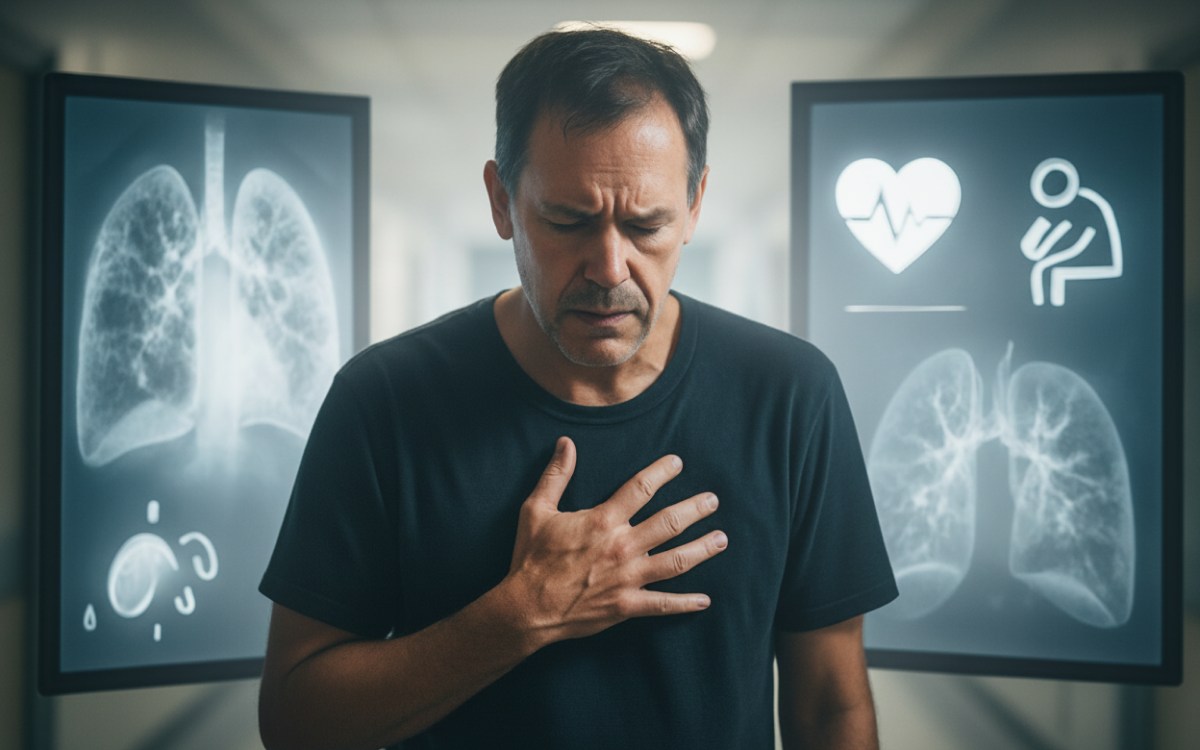
The effects of tobacco are often associated with coughing, breathing discomfort, or stained teeth, but the long-term impact reaches far beyond these visible signs. Over time, almost every major organ in the body can be affected when tobacco products are used regularly. Serious health conditions may slowly develop without obvious symptoms in the early stages, which is why the risks are often underestimated.
From heart disease to complications during pregnancy, the long-term effects can influence daily life, medical treatment, and overall well-being in significant ways.
Permanent Lung Damage
Long-term tobacco use can damage the lungs. Harmful chemicals released during smoking gradually irritate and weaken lung tissue, making breathing more difficult over time. Conditions such as chronic bronchitis and emphysema are commonly linked to long-term smoking. Together, these conditions are often grouped under chronic obstructive pulmonary disease, also known as COPD.
Everyday activities like climbing stairs or walking long distances may eventually start feeling exhausting because oxygen flow becomes restricted. Treatment is often managed through inhalers, oxygen support, and prescribed medicines, but lung damage caused by prolonged tobacco use is not always fully reversible.
Increased Heart Disease Risk
Blood vessels can also be affected heavily by tobacco use. Chemicals found in cigarettes may narrow arteries, reduce oxygen circulation, and increase blood pressure gradually. Over time, this places additional pressure on the heart and raises the likelihood of heart attacks and strokes. Even occasional smoking can contribute to cardiovascular strain when continued for long periods.
In many cases, ongoing care from a doctor or heart specialist becomes necessary once symptoms begin affecting daily activities.
Higher Risk of Cancer
Cancer risk increases considerably with long-term tobacco exposure. While lung cancer is most commonly discussed, other areas of the body may also be affected. Cancers linked to tobacco use can be cancer of the mouth, throat, oesophagus, bladder, kidney, and pancreas. The risk often rises further when smoking is combined with excessive alcohol consumption, since both habits can place additional stress on body tissues over time. Treatment may involve surgery, chemotherapy, radiation therapy, or specialised care guided by veteran doctors and oncology teams within major hospitals.
Weakened Immune Function
Long-term smoking may slowly reduce the body’s ability to fight infections effectively. Recovery from illnesses can become slower, while common infections may occur more frequently. Respiratory infections, chest congestion, and recurring coughs are often experienced more regularly among smokers because the immune system becomes less efficient over time. This can also affect healing after injuries or surgeries, making medical recovery more complicated in certain situations.
Oral Complications
The mouth and gums are frequently affected by tobacco products, even before serious internal conditions appear. Long-term tobacco use may contribute to gum disease, tooth loss, persistent bad breath, reduced taste sensitivity, and mouth infections. In severe cases, oral cancers may also develop. Dental treatment and specialised oral care are often required once these conditions progress.
Fertility and Pregnancy Developments
Fertility challenges may become more common for both men and women after prolonged smoking exposure. When smoking continues during pregnancy, additional health risks may develop for both parent and baby. Lower birth weight, reduced oxygen supply, and developmental complications are among the concerns commonly associated with smoking while pregnant. Medical supervision is usually recommended more closely in these situations to help monitor overall health throughout pregnancy.
Gradual Reduction in Bone Strength
Bone health is not often discussed in conversations around smoking, but tobacco use can gradually weaken bones and reduce bone density. This may increase the likelihood of fractures and slower healing after injuries. Joint discomfort and reduced physical strength may also become more noticeable with age when smoking has continued for many years. Conditions such as osteoporosis are sometimes seen more frequently among long-term smokers because calcium absorption and circulation may be affected.
Hastened Ageing of Skin
Skin changes are another long-term effect often linked to smoking. Reduced blood flow caused by tobacco chemicals can limit oxygen delivery to the skin, affecting elasticity and texture gradually. Wrinkles, dullness, and uneven skin tone may appear earlier than expected. Wound healing may also become slower, especially after cosmetic or medical procedures. Although skincare treatments may improve appearance temporarily, the internal effects caused by smoking usually continue influencing skin health underneath the surface.
Complications with Cognitive Wellness
Smoking is sometimes associated with temporary stress relief, but long-term nicotine dependence may create additional emotional strain over time. Mood changes, irritability, and anxiety symptoms can become more noticeable when nicotine levels fluctuate throughout the day. Sleep quality may also become disrupted in some cases. Support may sometimes include counselling, nicotine replacement therapies, or medically supervised treatment plans involving approved pharmaceuticals developed to support smoking cessation.
Higher Medical Costs
The financial impact of long-term tobacco use can eventually become significant. Frequent medical appointments, prescription pharma products, specialised treatments, and emergency care may all contribute to rising healthcare costs over time.
Long-term conditions linked to smoking often require ongoing monitoring through clinics and hospitals, especially when multiple health complications develop together. Certain prescription treatments may also interact with smoking habits, which is why medication histories are usually reviewed carefully before some drug treatments are prescribed.
Health Risks Spike with Age
One of the biggest concerns surrounding tobacco use is how gradually many conditions develop. Serious damage may continue building internally even when obvious symptoms are not yet visible. Breathing problems, circulation issues, weakened immunity, and long-term disease risks often develop slowly over several years rather than appearing suddenly. Because of this, the connection between smoking and declining health may sometimes go unnoticed until complications become more severe.
The long-term impact of tobacco reaches far beyond the lungs alone. Multiple organs, body systems, and daily functions can eventually be affected when smoking becomes a regular habit. While treatments, medical support, and specialised pharmaceuticals may help manage certain conditions, many tobacco-related health risks become far more difficult to reverse once long-term damage has already developed.