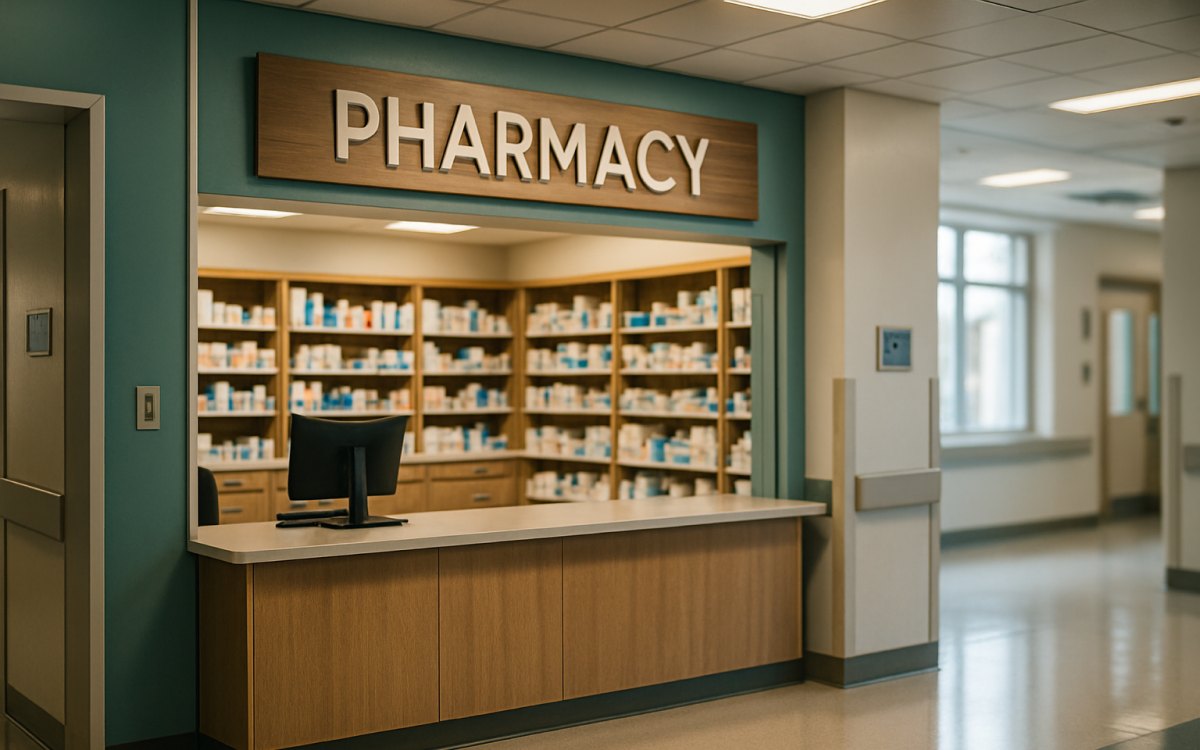
Opening a pharmacy within a hospital puts you right at the heart of healthcare, where patients need quick access to the medicines prescribed by doctors. You can serve the hospital’s needs while building a steady business in domains like retail dispensing and inpatient supplies. This guide walks you through the process step by step, from planning to launch, so you make informed choices and comply with all rules.
Legal Requirements
Before you dive in, grasp the key laws that govern pharmacies in hospitals. In India, the Drugs and Cosmetics Act, 1940, and the Rules, 1945, form the backbone. You need a retail drug licence under Form 20 and 21 from the State Drugs Control Authority or Central Drugs Standard Control Organisation (CDSCO) for scheduled drugs.
Hospitals often house pharmacies as in-house units, but if you run it independently, treat it like a separate entity. Check your state’s pharmacy council rules; for example, Maharashtra or Karnataka mandates registration with the Pharmacy Council of India (PCI) if you employ pharmacists. Registered pharmacists must hold a B.Pharm or D.Pharm degree and a valid certificate.
Also, secure GST registration, as turnover will exceed the thresholds quickly. If you stock psychotropics, apply for NDPS licences separately. Visit your local drugs controller office early to avoid delays. These steps ensure your pharmacy operates legally within the hospital’s ecosystem.
Choose the Right Location and Space
Pick a spot inside the hospital that is accessible and compliant. Hospitals designate pharmacy areas near outpatient departments (OPD), emergency wards, or inpatient pharmacies for convenience. You need at least 15 square metres for a basic setup, per the Drugs Rules, with separate sections for poisons, schedules H and X drugs, and general medicines.
Ensure good ventilation, fluorescent lighting (minimum 150 lux), and smooth, impervious walls for easy cleaning. Install air conditioning if stocking temperature-sensitive drugs, such as insulin. Space must include counters, storage racks, and a counselling area. Hospitals might provide the shell; negotiate lease terms covering utilities and security.
A pharmacy near the main exit sees more retail sales from visitors, while one by the wards suits inpatient needs. Get hospital management’s written nod, as they control internal allocations.
Assemble Your Team
Your pharmacy thrives on skilled people. Hire a qualified registered pharmacist as the responsible person; they oversee all operations and sign for drug purchases. One full-time pharmacist per shift is standard, plus support staff, such as billing and inventory assistants.
Doctors and hospital admin often refer patients, so build rapport. Train your team on patient counselling. Explain dosages, side effects, and adherence for common prescriptions like antibiotics or antihypertensives. Use software for quick checks on drug interactions.
Comply with labour laws. Provide EPF, ESI if applicable, and uniforms. Start with 2-3 staff for a small unit, scaling as volume grows. Conduct background checks to maintain trust in this health-focused domain.
Source Equipment and Inventory
Equip your space practically. Essentials include computerised billing software (like Marg or Medeil, compliant with GST), barcode scanners, refrigerators for cold-chain drugs (2-8°C), and locked cabinets for controlled substances. Invest in CCTV for security and electronic weighing scales accurate to 1mg.
For inventory, tie up with authorised distributors listed on the CDSCO portal. Stock generics first from Jan Aushadhi-like schemes for affordability, then branded medicines from firms. Aim for 500-1000 SKUs initially, focusing on hospital staples, such as painkillers, anti-infectives, and chronic care drugs.
Negotiate credit terms (30-60 days) with wholesalers. Implement First-Expiry-First-Out (FEFO) to minimise waste. Budget ₹5-10 lakhs for initial stock, depending on size.
Obtain Licences and Approvals
This is the core hurdle: budget 3-6 months. Apply for your drug licence online via the state drugs controller portal (e.g., SUGAM for CDSCO). Submit site plan and layout, qualification proof of a pharmacist, fee (₹1,500-3,000 per category), an NOC from the hospital and the fire department, and pollution control when generating biomedical waste.
Once granted, obtain a Good Pharmacy Practice (GPP) certificate from PCI to demonstrate compliance with quality standards. Renew every 5 years. Integrate with the hospital’s ABC/VED analysis to optimise stock. Track applications meticulously; delays often stem from incomplete documents.
Set Up Operations Smoothly
Design workflows for efficiency. Install pharmacy management software that integrates with the hospital’s HIS (Hospital Information System) for seamless prescription uploads. Label shelves alphabetically or by ATC codes for fast retrieval.
Implement SOPs. Verify prescriptions (doctor’s signature, date, patient details), counsel on usage, and record sales. For hospital supplies, use bulk billing. Price competitively. Mark-ups average 16-20% on schedules H, 10% on others.
Handle returns via a dedicated log. Go cashless with UPI, cards, and insurance tie-ups, such as Ayushman Bharat, for reimbursements. Open 24/7 for emergencies, matching hospital hours.
Market Within the Hospital Ecosystem
Spread the word internally first. Partner with doctors for preferred vendor status; offer free delivery to wards. Place signage at key points: “Your trusted chemist for all prescriptions.”
Engage patients with loyalty cards or repeat-discount offers. Host health talks on medication safety, tying into hospital events. Digital presence matters: list on Google My Business and hospital apps.
Word-of-mouth from satisfied users builds volume. Track metrics like daily prescriptions (aim for 200+) and repeat rate (60%).
Maintain Compliance and Quality Daily
Stay audit-ready. Keep records for 3 years: purchase bills, sales registers, expiry logs. Conduct monthly stock audits; dispose of expired drugs via authorised agencies.
Follow NABH standards if a hospital is accredited; this boosts credibility. Train on pharmacovigilance and report ADRs to PvPI. Ensure fire safety. Install extinguishers and alarms.
Scale sustainably and monitor profitability (target 15-20% margins post-expenses). Additionally, reinvest in expansions like home delivery.
Handle Finances and Risks
Budget wisely. Initial costs: ₹20-50 lakhs (licences ₹50k, interiors ₹5 lakhs, stock ₹10 lakhs, software ₹2 lakhs). Revenue from retail (60%), hospital supplies (40%).
Track via accounting software like Tally. Insure against theft, fire, and liability. Consider common risks, such as stockouts or counterfeit drugs, and mitigate with verified suppliers. Consult a CA for tax compliance, including ITC claims on inputs.
Opening your pharmacy inside a hospital positions you as a vital healthcare partner. Follow these steps diligently, and you will create a reliable hub for medicines that supports doctors, patients, and the hospital alike. Ready to start? Check your local drug controller site today.