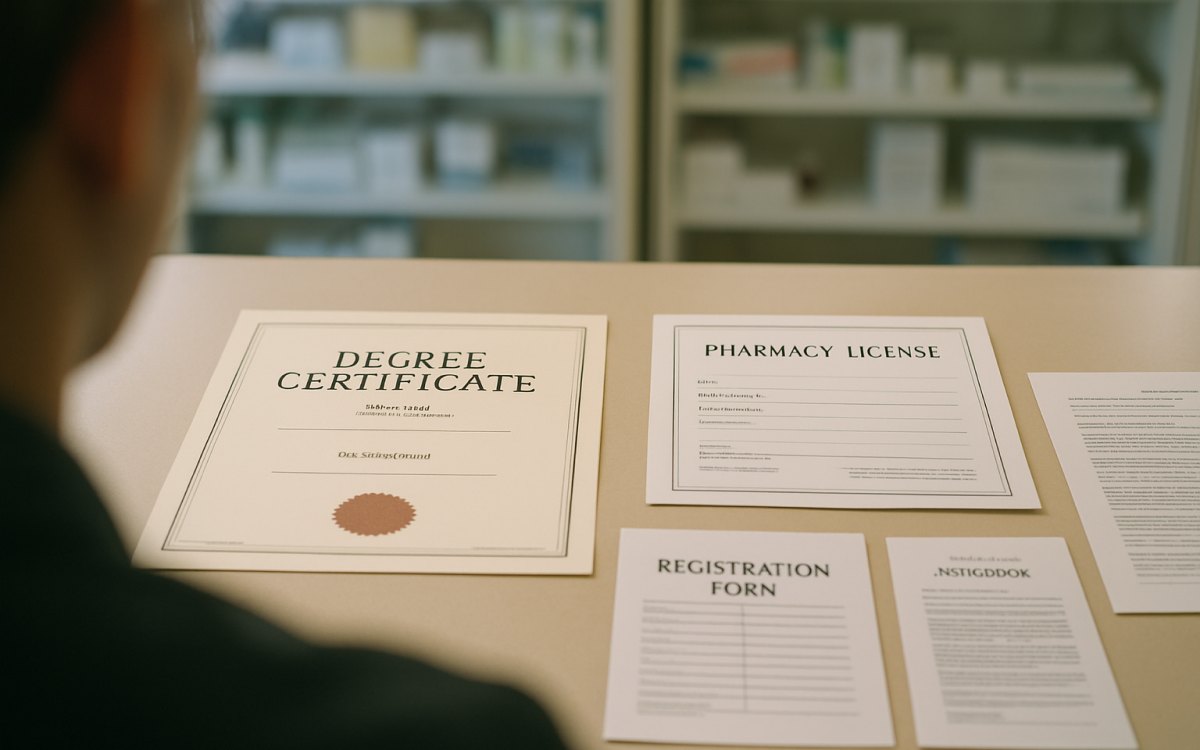
Medical retail and distribution is a noble and rewarding career choice that requires you to embrace a blend of academic rigour and practical training. For those aspiring to serve the community by providing life-saving medications, understanding the regulatory landscape is the first step toward success. In this guide, we explore the essential educational qualifications, registration processes, and legal requirements you need to establish yourself as a registered professional, ensuring a smooth transition from student to practitioner.
Educational Requirements
To begin your career as a licensed professional in this sector, you must first acquire the necessary academic credentials from an institution recognised by the Pharmacy Council. You will find three primary educational routes available to you depending on your long-term goals.
Diploma in Pharmacy (D.Pharm)
The D.Pharm is a two-year foundation course that includes a mandatory practical training period. You might find this the quickest route if you wish to open your own retail outlet. It covers the basics of pharmaceutics, chemistry, and pharmacology, providing you with the essential knowledge needed to handle medicines safely.
Bachelor of Pharmacy (B.Pharm)
As you seek a more in-depth understanding of the science, you should look toward the B.Pharm, a four-year undergraduate degree. This programme allows you to delve deeper into industrial operations and advanced clinical research. As a graduate of this programme, you will see a broader range of opportunities, including roles in hospitals or manufacturing units.
Doctor of Pharmacy (Pharm.D)
The Pharm.D is a six-year intensive clinical programme that includes a full year of internship in a hospital setting. You will find this qualification ideal if you wish to work closely with doctors in a clinical environment, focusing on patient care and dosage monitoring rather than just dispensing products.
Practical Training and Internships
Education alone is not sufficient to gain a licence. Real-world experience is a critical component of your registration process. You must complete a specific number of hours of practical training in a recognised pharmacy or a government-approved medical facility.
During this period, you learn the art of inventory management, reading prescriptions from various doctors, and interacting with patients. It is here that you master the nuances of the trade, such as maintaining the “cold chain” for sensitive vaccines. This hands-on experience ensures that when you eventually manage your own shop, you can contribute effectively to the local healthcare infrastructure.
Registration Process with the State Council
Once you meet the educational and training requirements, you must apply for registration with your respective State Pharmacy Council. This is a mandatory step for you to be legally recognised as a registered pharmacist.
You will find that the application process usually requires a comprehensive set of documents, including:
- Your final degree or diploma certificates.
- Proof that you completed your practical training.
- Your identity and address verification.
- Your passport-sized photographs.
After the council verifies your documents, your name is entered into the Register of Pharmacists. You must renew this registration periodically to remain valid. Without this certificate, you know it is illegal for you to dispense medicines or use the title of a professional chemist.
Obtaining a Licence for Retail
If your goal is to start a retail business, you must realise that simply being a registered pharmacist is not enough. You also have to obtain a licence from the Drug Control Department. You will learn that this licence is specific to the premises where you operate your business.
Licences to Should Consider
You will find there are generally two types of licences issued: Retail for when you sell directly to patients and Wholesale for when you supply to other shops or hospitals. In many cases, you will see entrepreneurs apply for both to maximise their business potential.
Infrastructure Standards
You must follow strict standards regarding the physical space of your outlet. You will find a minimum carpet area is usually required, typically around ten square metres for your retail shop. Furthermore, you must equip your shop with a refrigerator to store certain life-saving medicines that require specific temperature controls to maintain their efficacy and protect public health.
Legal and Ethical Responsibilities
Operating in the medical field carries immense responsibility. You act as a vital link between the doctor and the patient. You should view this role as more than just a financial transaction; it is a service that requires you to hold high ethical standards.
How You Verify Prescriptions
It is your duty to ensure that every prescription you handle is authentic. When a patient arrives at your shop from a hospital, you must verify the dosage and check for any potential errors in the script. If you find any ambiguity, you should contact the prescribing doctor for clarification.
How You Maintain Records
The law requires you to maintain detailed registers for specific categories of medicines that are highly regulated. You must keep these records available for inspection by inspectors at any time. You should view proper record-keeping not just as a legal hurdle but as a way to ensure that you track and manage the distribution of potent substances responsibly.
Role of Technology
As the digital transformation sweeps across the nation, you must adapt to new ways of working. You will see digital prescriptions becoming the norm in many urban centres and large private hospitals.
Embracing E-Pharmacy Tools
Learning to use pharmacy management software has become an essential skill. These tools help you track expiry dates, manage your inventory, and process digital orders. By staying tech-savvy, you can reduce manual errors and provide a much faster service to your customers.
Your Tele-Health Integration
With the rise of tele-medicine, you may find yourself coordinating with doctors who consult via video calls. Being part of this digital network allows you to serve a wider patient base and stay relevant in a changing market.
Continuing Professional Development
The field of medicine is constantly evolving with the discovery of new treatments and treatment protocols. To provide the best possible advice, you must engage in continuous learning.
Attending Workshops and Seminars
You should regularly attend seminars organised by state councils and professional associations. These events cover topics like new interactions, changes in medical law, and advancements in your patient counselling skills. You will find staying informed about these changes is crucial for you to maintain a high standard of healthcare service.
Specialisation and Advanced Roles
You may choose to specialise in specific areas, such as geriatric care or oncology medications. By becoming an expert in a particular niche, you can offer more value to both your patients and the hospitals you collaborate with.
Navigating the Competitive Landscape
The medical retail sector is highly competitive, with large chains and online platforms entering your space. However, you should believe that the local, trusted professional still holds a unique advantage: your personal touch.
Building Trust with Your Community
You should strive to build long-term relationships with your residents. By offering reliable advice and being available for emergencies, your shop becomes a pillar of the community’s health system. You will find this trust is something that a digital app cannot easily replicate for you.
How You Diversify Your Services
You might consider diversifying your shop by offering diagnostic services like blood pressure monitoring or sugar tests. By becoming a mini-wellness centre, you can attract more footfall and provide a more comprehensive service to the public.
Your journey to becoming a licensed professional in this field is one of dedication and continuous improvement. From your initial years at a university or college to the final steps of obtaining your government licence, you should see each stage as designed to ensure that you are capable of handling the immense responsibility of public safety. By combining your solid academic knowledge with modern technical skills and a heart for service, you are building a successful and respected career. Your path may be rigorous, but the opportunity for you to play a vital role in the national healthcare system makes it an exceptionally fulfilling pursuit.