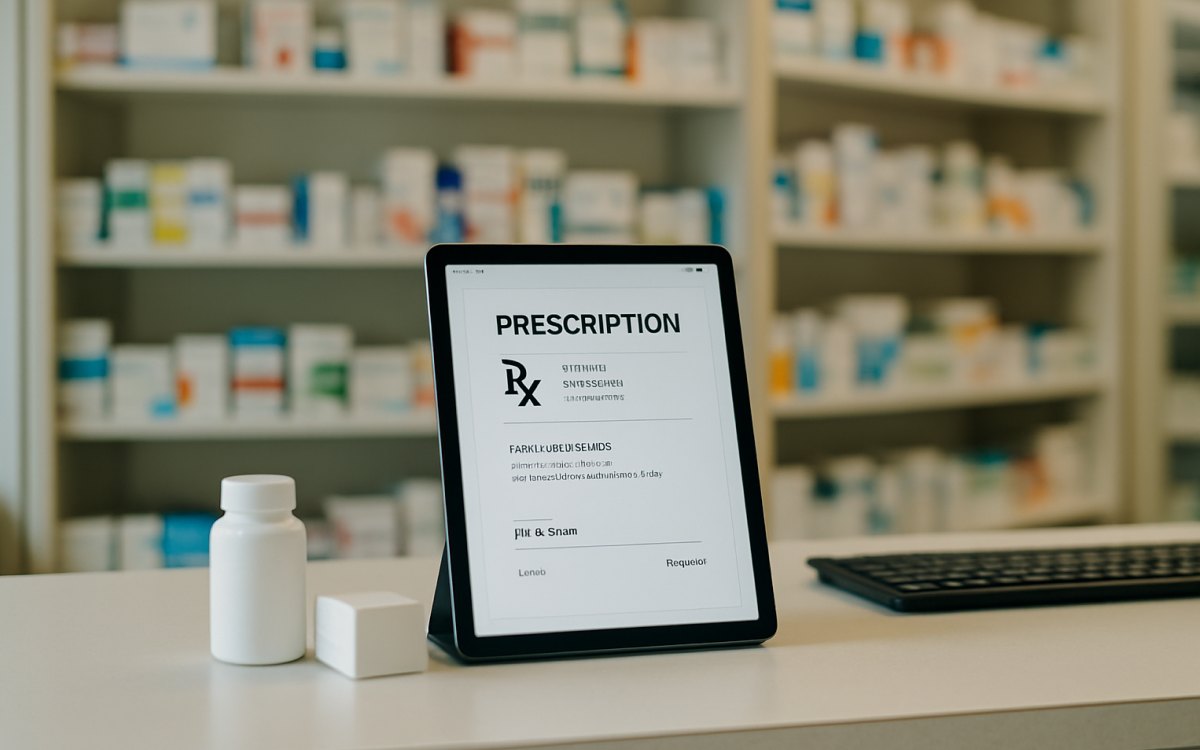
When imagining a local pharmacy, two things that often come to mind are stacks of paper files and the difficult task of deciphering a doctor’s handwriting. However, things are starting to change with digital prescriptions. This transition is not merely about replacing paper with screens; it is a fundamental redesign of how patients access essential treatments. By adopting these modern platforms, local professionals are ensuring that the entire journey from consultation to collection is safer and more efficient.
The Shift from Paper to Pixels
For decades, the physical prescription was the primary link between the hospital and the patient. While functional, this system carried inherent risks, such as the potential for loss or misinterpretation. Today, the introduction of e-prescription platforms has created a direct, secure line of communication between doctors and pharmacists.
When a doctor issues a digital script, it is transferred to a chemist via a secure cloud-based server. This immediately eliminates the age-old problem of illegible handwriting, which has historically been a minor but persistent hurdle in the healthcare sector. By receiving a clear, typed digital file, the chemist can verify the dosage and instructions with absolute certainty, ensuring that the patient receives the exact medicines required.
How Modern Platforms Facilitate Delivery
Many online platforms have started to tie up with local outlets to create a hybrid model of service. This ‘phygital’ approach combines the convenience of digital ordering with the reliability of a physical pharmacy nearby.
Instant Notifications and Preparation
As soon as a script is uploaded via an app, the system automatically notifies the nearest registered outlet. This instant alert allows the staff to begin preparing the order even before the patient leaves the hospital or clinic. For busy working professionals, this means that their wait time is virtually eliminated. They can simply walk in, scan a QR code, and collect their package.
Inventory Management
Digital systems do more than just relay information; they help in managing stock. When a digital prescription is processed, the software can automatically update the inventory levels. This real-time tracking helps the chemist understand which medicines are in high demand, allowing them to restock proactively. It prevents the common frustration of a patient visiting multiple shops only to find that a specific item is out of stock.
Impact on Patient Safety and Health
The primary goal of any change in the health sector is to improve patient outcomes. Digital prescriptions offer several layers of safety that paper scripts simply cannot match.
Reducing Medication Errors
Electronic systems often include built-in alerts for potential medicine interactions. If a doctor prescribes a new treatment that might react poorly with a patient’s existing medication, the software can flag this for the pharmacist. This acts as a crucial second check in the healthcare chain, providing an extra layer of protection for the individual.
Accurate Record Keeping
Digital platforms maintain a comprehensive history of a patient’s past orders. This is particularly beneficial for those managing chronic conditions who may need to visit different hospitals or specialists. A central digital record ensures that every doctor or pharmacist involved in the person’s care has a clear picture of their medical history, leading to more informed decision-making.
Overcoming the Challenges of Transition
Transitioning from a system used for generations is never without its hurdles. The move toward a digital-first approach requires significant changes in infrastructure and mindset.
Training and Skill Development
For many traditional staff members, moving away from paper ledgers requires a period of adjustment. Many businesses are now investing heavily in training programmes to help their teams master new software. This focus on upskilling ensures that the human element of the pharmacy remains strong, even as the backend becomes more automated.
Digital Infrastructure
To support e-prescriptions, a shop must have a stable internet connection and modern hardware. In various regions, service providers are working to ensure that even smaller, independent outlets have access to the high-speed data required to run these platforms smoothly. The goal is to create a seamless network where every chemist is connected to the wider health ecosystem.
Role of Large Institutions
While local shops are adapting quickly, large hospitals are also playing a major role in this evolution. Many private and public hospitals have integrated their internal systems with external digital platforms.
When a patient is discharged from a hospital, their discharge summary and medication list can be sent directly to their preferred local outlet. This ensures that the transition from specialized care to home-based recovery is managed without any gaps in treatment. It reduces the burden on the patient’s family, who no longer need to rush around to find specific items in the middle of a stressful situation.
Future of the Local Chemist
As technology continues to advance, the role of the pharmacist is expected to become even more consultative. With digital tools handling the data entry and logistical side of the business, professionals can spend more time talking to patients about their health.
Tele-consultation Integration
We are already seeing the rise of platforms that link tele-consultations with instant delivery. A patient can speak to a doctor online, receive a digital script, and have their medicines delivered by the nearest pharmacy within hours. This end-to-end digital experience is becoming the new standard for convenience.
Personalised Healthcare
In the future, digital records might allow for more personalized advice. A pharmacist could use the data to suggest lifestyle changes or remind a patient when it is time for a check-up, truly becoming a partner in the individual’s long-term health journey.
The adoption of digital prescription platforms is a landmark shift for the healthcare industry. It represents a move toward a more transparent, accurate, and patient-centric model of service. By embracing these tools, the local chemist is not just surviving in a digital age but is actively thriving by providing faster and safer care. As more doctors and hospitals join this digital network, the benefits will continue to grow, making the process of managing one’s health simpler for everyone involved. The focus remains on the seamless integration of technology and human expertise, ensuring that the heart of the community pharmacy continues to beat strongly in a digital world.