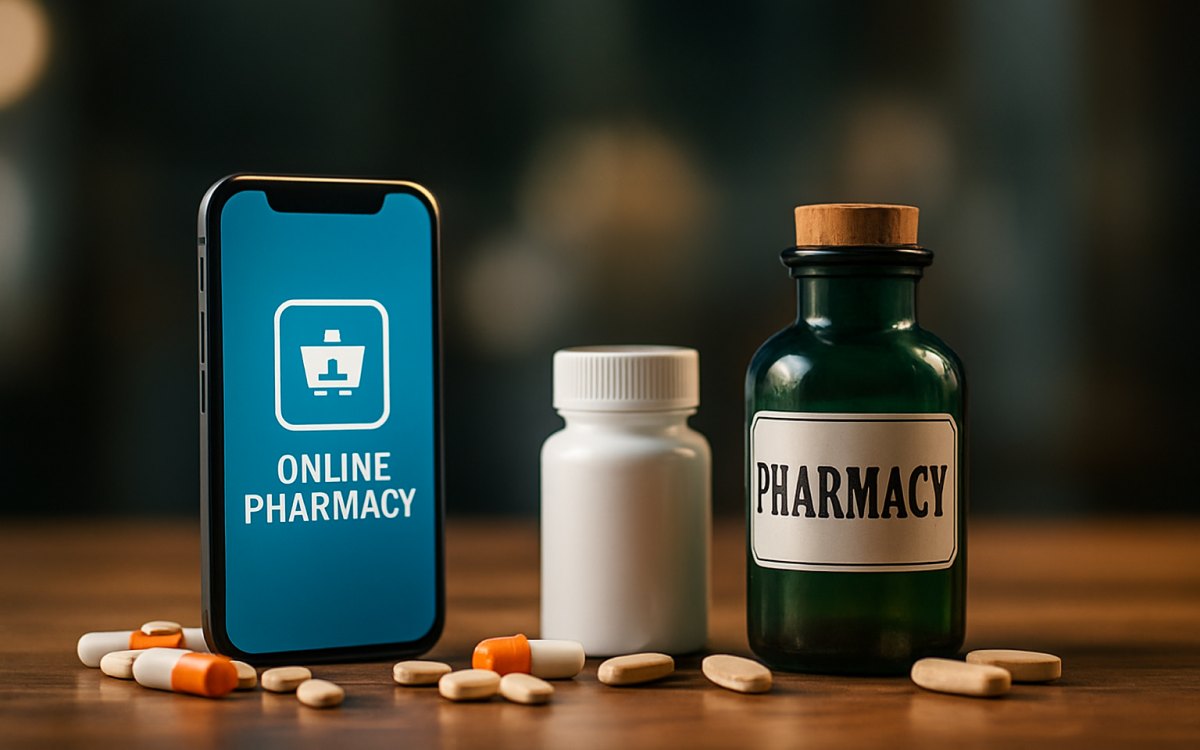
When you need medicines, whether for routine health needs or after a visit to the doctor, you face a choice: order from an online pharmacy or head to your local chemist. Both options meet your healthcare needs, but questions about cost remain. This blog examines whether online pharmacies truly cost less than local chemists, drawing on real-world factors, such as pricing structures, discounts, and hidden expenses. These will help you make informed decisions.
Pricing Structures
Local chemists set prices close to the maximum retail price (MRP) marked on medicine packs. They cover rent, staff salaries, and stock maintenance, which limits their ability to significantly reduce costs. You often pay the full amount upfront without much negotiation room.
Online pharmacies, by contrast, operate with reduced overheads since they lack physical storefronts. They source from multiple domains and pass savings to you through lower base prices or discounts. For common medicines, such as pain relievers and blood pressure tablets, you might see 10-20% reductions compared to chemists.
However, not all online prices beat local ones outright. Prescription drugs from doctors tied to hospitals may be subject to fixed rates across both channels, especially under regulated schemes.
Discounts and Offers Compared
Chemists occasionally offer small discounts on select items, often to match competitors’ prices. These tend to stay modest, around 5%, due to slim profit margins. You might negotiate for generics if your doctor approves, but stock limits this.
Online platforms excel here with frequent promotions, cashback, or subscription models for repeat orders. For chronic conditions that require ongoing medication, you could save 15-30% through bulk deals or loyalty points. Apps highlight generic options with the same active ingredients at half the branded cost, provided you consult your doctor first.
Delivery and Convenience Costs
You save time at a chemist by grabbing medicines instantly, avoiding wait times. No delivery fees apply, which suits urgent needs post-hospital visits or doctor consultations.
Online orders bring medicines to your door, ideal if mobility limits you or traffic delays trips. Standard delivery costs Rs 50-100, but many waive it for orders above Rs 500 or for subscriptions. Express options in cities add Rs 20-50 for a two-hour service. Factor in fuel or auto fares to chemists (Rs 100-200 round trip), and online often evens out for larger orders.
For rural areas, chemists win on immediacy, while online networks now reach more pin codes with partnered local outlets.
Hidden Expenses to Watch
Chemists charge no extras beyond the medicine price, though you might buy impulsively on over-the-counter items. Wastage from expired stock rarely affects you directly.
Online, watch the packaging fees or taxes on delivery. Returns for wrong items could mean restocking charges if not faulty. Subscription traps might auto-renew at higher rates if you forget to cancel. Always check the total cart value before checkout.
Taxes like GST apply similarly to both, at 5-18% based on the medicine type. Online transparency shows the breakdown upfront.
Availability and Range Factors
Local chemists stock essentials but run out of niche items like specific dosages or rare hospital-prescribed drugs. You may visit multiple shops, adding time and transport costs.
Online pharmacies aggregate from vast networks, showing real-time stock across domains. You compare brands easily, finding substitutes if your doctor notes allow. This proves vital for chronic health management with less common medicines.
Quality and Safety Checks
Both must source authentic products from licensed domains. Chemists let you inspect packs on-site and ask questions face-to-face. You build trust over time with your regular one.
Online platforms verify prescriptions digitally and use tamper-proof packaging. Reputable ones partner with certified pharmacies and offer tracking. Check for seals and expiry on delivery; return policies cover defects. Government rules mandate licences for all, minimising fakes.
Speed of Service Breakdown
Urgent needs after seeing doctors or hospitals favour chemists for same-minute access. No delays mean quicker relief.
Online suits are made-to-order, with many delivered nationwide within 24-48 hours. City apps promise 30-60 minutes via local chemist tie-ups, closing the gap. For non-emergencies, this convenience offsets any wait.
When Chemists Cost Less Overall
Opt for local if you need one-off items immediately or value pharmacist advice on dosage. Small purchases under Rs 300 are often cheaper than chemists’ prices after delivery fees. Relationships yield informal tips on healthcare routines.
When Online Wins on Price
Larger orders, generics, or monthly supplies tend to favor online savings. Discounts compound for families managing multiple prescriptions. Apps simplify reordering, cutting repeat trips.
Regulations Shaping Costs
Authorities cap trade margins on essential medicines, squeezing both chemists and online sellers equally. This keeps prices stable but limits deep cuts. Online must comply with e-pharmacy rules, including prescription uploads, ensuring fair play.
Tips for Smart Savings
Compare three platforms and your chemist for any medicine. Use apps showing salt composition to spot generics your doctor approves. Track total costs, including delivery, over a month.
Join loyalty programmes at chemists for regulars. Online, enable reminders to avoid stockouts and overbuying.
Consult your doctor before switching, especially for hospital-issued scripts. Prioritise licensed sellers via government portals.
Real User Scenarios
Suppose you fill a Rs 1000 monthly diabetes prescription. Chemists may charge near-MRP (Rs 1000). Online may offer 20% off plus free delivery (total Rs 800).
For a Rs 200 antibiotic post-flu, the chemist wins (no delivery). Online adds Rs 50 fee, totalling Rs 220 after discount.
Families with multiple needs save most online; singles with rare visits prefer chemists.
Future Trends in Play
Digital payments and wider networks further lower online costs. Chemists adopt apps for home delivery. You may soon benefit from hybrid models.
In summary, online pharmacies often prove cheaper for planned, bulk, or generic buys due to lower overheads and discounts. Local chemists edge out for urgency and small spending. Weigh your needs, compare totals, and choose what best fits your health routine. Track the spending monthly to confirm.