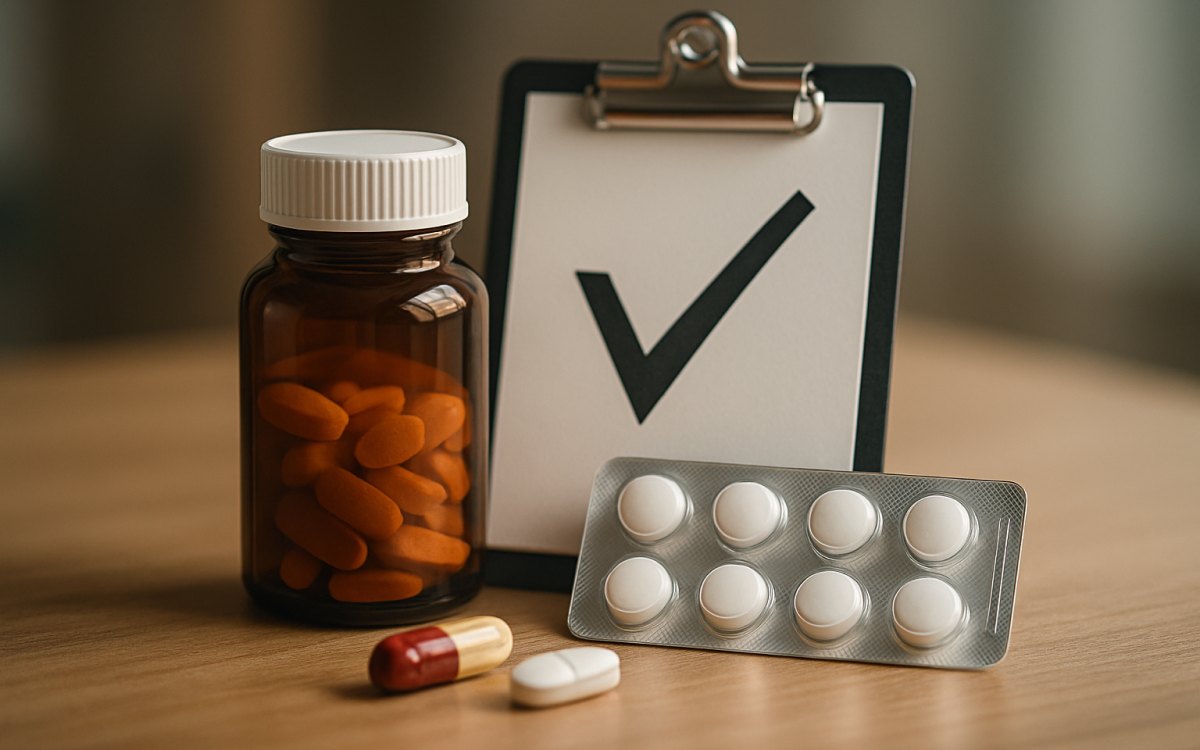
Access to the right medicines is essential for maintaining good health, but ensuring their authenticity is just as important. With a wide range of products available across pharmacies and healthcare outlets, it becomes necessary to know how to identify genuine medicines. From packaging details to purchase sources, a few careful checks can make a significant difference. Understanding these steps helps individuals make informed choices and supports safer healthcare practices in everyday life.
Why Checking Medicine Authenticity Matters
Using genuine medicines is critical for effective treatment and recovery. Authentic medicines are manufactured under strict quality standards and contain the correct ingredients in the right dosage. In contrast, unsafe or counterfeit products may not deliver the intended results.
When medicines are verified and trusted, doctors can prescribe treatments with confidence, and patients can follow them without concern. This trust is essential for maintaining a reliable healthcare system across pharmacies, hospitals, and clinics.
Tips to Check the Authenticity of Medicines
Start with the Packaging
One of the first things to examine is the packaging. Genuine medicines usually come in well-printed, clearly labelled boxes or strips. Look for consistent fonts, correct spelling, and clear information. Poor print quality, faded text, or unusual packaging can indicate a problem.
Check whether the packaging is properly sealed and intact. Any signs of tampering, such as broken seals or damaged strips, should be taken seriously. Comparing the product with a previously purchased version can also help identify differences.
Verify Manufacturer Details
Every genuine medicine includes details about the manufacturer. This typically includes the company name, address, and manufacturing license number. These details should be clearly printed and easy to read.
Reputed manufacturers follow strict standards, and their products are widely recognised across pharmacies and hospitals. If the manufacturer’s information appears incomplete or unclear, it is advisable to seek clarification from the chemist before use.
Check Expiry and Batch Information
Expiry dates and batch numbers are important indicators of authenticity. These details should be clearly printed on both the outer packaging and the medicine strip.
Ensure that the expiry date has not passed and that the batch number is consistent across the packaging. Medicines with missing or mismatched details should not be used. Proper labelling reflects adherence to regulatory guidelines and quality control.
Look for Authentication Features
Many pharmaceutical companies now include additional verification features on their packaging. These may include QR codes, barcodes, or unique identification numbers.
Scanning these codes using a mobile device can help confirm whether the medicine is genuine. Some manufacturers also provide verification through SMS or online portals. These tools add an extra layer of security and make it easier for consumers to verify products.
Buy Only from Licensed Pharmacies
Where medicines are purchased plays a crucial role in ensuring authenticity. Always buy medicines from licensed pharmacies or trusted chemist shops. These establishments follow regulatory guidelines and source products from authorised distributors.
Avoid purchasing medicines from unknown or unverified sellers. Reliable pharmacies maintain proper storage conditions and ensure that products meet safety standards. This helps protect both individual health and the broader healthcare system.
Observe the Physical Appearance of Medicines
The appearance of a medicine can provide useful clues about its authenticity. Check the colour, size, shape, and texture of tablets or capsules. These characteristics should remain consistent across purchases.
Any unusual changes, such as discoloration, unusual smell, or damaged tablets, may indicate an issue. If something seems different from what was previously used, it is best to consult a chemist or a doctor before consuming the medicine.
Consult the Chemist When in Doubt
A qualified chemist is an important resource when it comes to verifying medicines. If there is any doubt about a product, asking questions at the pharmacy can help clarify concerns.
Chemists are trained to handle medicines and understand packaging details, manufacturer information, and prescription requirements. Their guidance helps ensure that the right medicines are used safely and correctly.
Compare Prices Carefully
While discounts are common, extremely low prices compared to standard rates may raise concerns. Genuine medicines usually have consistent pricing across pharmacies, with slight variations.
If a product is offered at a significantly lower price without a clear reason, it is advisable to verify its authenticity. Balanced pricing often reflects proper sourcing and compliance with regulations.
Keep Prescriptions and Records
Maintaining prescriptions and purchase records helps track medicines effectively. When doctors prescribe a particular brand or composition, these records make it easier to identify the correct product during repeat purchases.
Records also help in comparing packaging details and verifying consistency over time. This practice supports better healthcare management and reduces confusion.
Be Cautious with Online Purchases
Online pharmacies have made medicine access more convenient, but it is important to ensure that the platform is authorised. Check whether the website is verified and follows proper regulations.
Reading reviews, checking certifications, and confirming contact details can help assess reliability. Ordering from trusted platforms ensures that medicines meet safety standards and are delivered in proper condition.
Understand the Role of Doctors and Hospitals
Doctors and hospitals play an important role in guiding patients toward safe medicine usage. Prescriptions from qualified doctors ensure that the right medicines are chosen based on individual health conditions.
Hospitals and established healthcare providers also source medicines through verified channels. Following medical advice and purchasing medicines accordingly reduces the risk of encountering unsafe products.
What to Do If a Medicine Seems Suspicious
If there is any doubt about the authenticity of a medicine, it is best to stop using it immediately. Consult a doctor or return to the pharmacy for clarification.
Informing the chemist about the concern allows them to verify the product and take necessary action. Prompt response helps prevent potential health risks and ensures that appropriate alternatives are provided.
Building Awareness for Safer Healthcare
Checking whether medicines are genuine is a simple yet important step in maintaining personal health. Awareness about packaging, manufacturer details, and purchase sources helps individuals make informed decisions.
Pharmacies, doctors, and hospitals work together to provide safe and effective treatment. When consumers remain vigilant and informed, the entire healthcare system becomes stronger and more reliable.
Conclusion
Ensuring that medicines are genuine is essential for safe and effective treatment. By paying attention to packaging, verifying details, and purchasing from trusted pharmacies, individuals can reduce risks and protect their health.
Simple checks and informed choices go a long way in supporting reliable healthcare practices. With the right awareness and guidance from chemists and doctors, patients can approach their treatment with greater confidence and peace of mind.