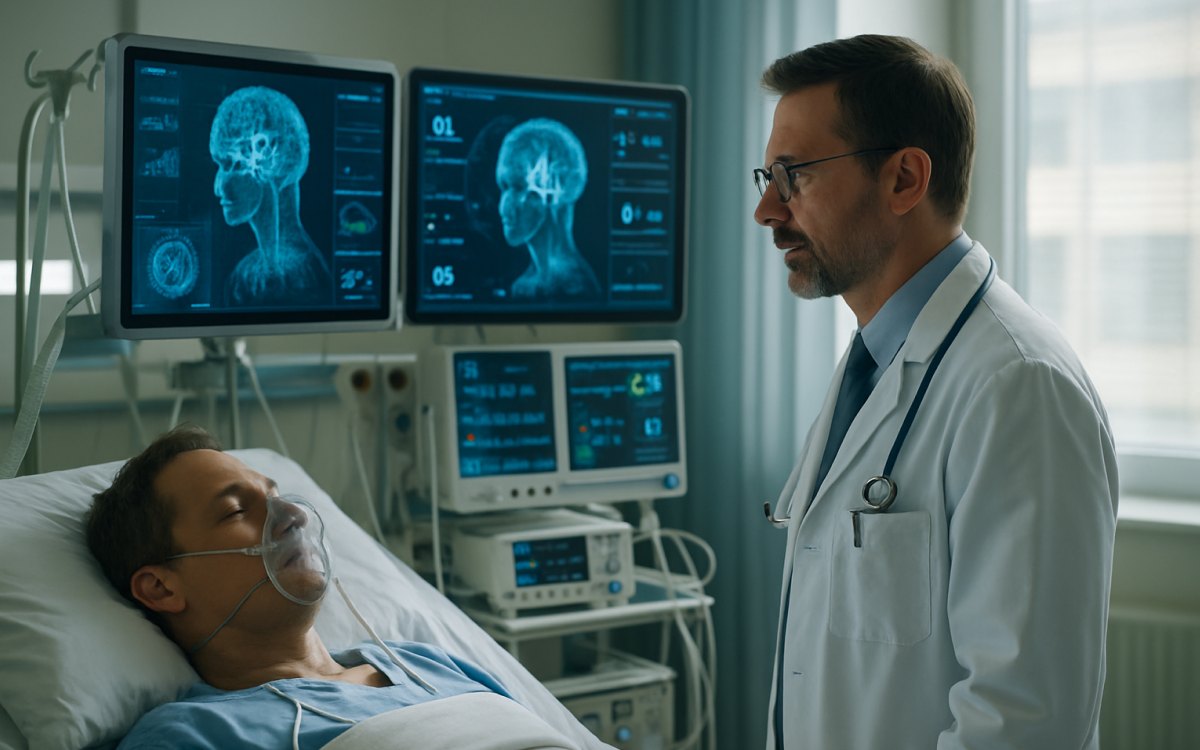
Healthcare is changing as artificial intelligence becomes part of everyday hospital systems. You can see a shift from manual processes to data-driven support that helps improve accuracy and efficiency. AI is not replacing professionals but assisting them in delivering better care. From diagnosis to monitoring, these tools are shaping how treatment is planned and delivered. As adoption grows across different domains, the impact on health, workflows, and patient outcomes continues to expand in meaningful ways.
The Growing Role of AI in Modern Hospitals
Artificial intelligence is now used to support both clinical and administrative functions. Systems are designed to process large amounts of data and provide insights that help guide decisions. This makes it easier for doctors and healthcare teams to work with accurate and organised information. AI tools assist in reviewing patient histories, identifying trends, and improving overall care planning. With this support, a hospital environment becomes more structured and efficient without reducing the importance of human expertise.
Here’s How it Positively Influences Hospital Care
Smarter Diagnosis and Early Detection
Accurate diagnosis plays a key role in effective treatment. AI systems help analyse medical images, lab results, and patient records with a level of detail that supports early detection. Such tools assist a doctor in identifying conditions that may not be immediately visible. Earlier diagnosis often leads to timely treatment, reducing complications. This approach strengthens how healthcare systems respond to patient needs, making the process more reliable and consistent.
Continuous Monitoring and Timely Response
Monitoring patients has become more efficient with AI-enabled systems. These tools track vital signs and detect changes in real time. With continuous observation, healthcare teams can respond quickly when something unusual occurs. This is especially useful in critical care settings, where timely action matters. Across hospitals, this level of monitoring helps improve patient safety while reducing dependence on manual tracking methods.
Improving Hospital Operations
Efficient operations are essential for delivering quality care. AI is used to manage scheduling, patient flow, and resource allocation within a hospital. By organising routine processes, delays can be reduced, and coordination between departments improves. Administrative tasks become less time-consuming, allowing staff to focus more on patient care. This creates a smoother experience within healthcare facilities and supports better overall outcomes.
Personalised Treatment and Care Planning
Treatment is becoming more tailored to individual needs. AI helps analyse patient data to recommend suitable approaches based on specific conditions. This allows doctors to make more informed decisions when planning care. Instead of using general methods, treatments can be adjusted to suit each case. As a result, patients receive care that is more precise, improving recovery and reducing unnecessary interventions.
Better Management of Medicines and Pharmacy Systems
Managing medicines is a critical part of patient care. AI systems support this process by tracking prescriptions, monitoring usage, and reducing errors. In pharmacy settings, these tools help ensure that the right medicines are dispensed correctly. A chemist benefits from organised systems that reduce manual workload and improve accuracy. This coordination between hospital systems and pharmacy services strengthens the overall delivery of treatment.
Data Handling and Security in Healthcare
Hospitals handle large volumes of sensitive information. AI helps organise and protect this data, ensuring that it is accessible only to authorised personnel. Structured data management allows doctors and healthcare teams to retrieve information quickly when needed. At the same time, AI systems can detect unusual activity, helping maintain security. This balance between accessibility and protection is essential for maintaining trust in healthcare systems.
Changing Skill Requirements in Healthcare
As AI becomes more common, skill requirements within healthcare are evolving. Professionals are expected to understand both medical practices and basic digital systems. Training provided through learning institutions supports this shift. Many programmes now include exposure to technology used in modern hospital environments. This prepares individuals to work effectively across different domains within the sector, where both clinical and technical knowledge are important.
Supporting Healthcare Professionals, Not Replacing Them
AI is designed to assist rather than replace human roles. The judgment and experience of a doctor remain central to patient care. Technology provides additional insights, but final decisions still rely on professional expertise. This balance ensures that care remains both efficient and human-centred. Across hospitals, this combination of AI support and human understanding improves how services are delivered.
Improving Patient Experience Across the System
AI contributes to a smoother patient experience by reducing waiting times and improving communication. Systems help manage appointments and streamline processes within a hospital. Clearer coordination between departments ensures that care is delivered without unnecessary delays. Patients benefit from quicker responses and more organised services. This enhances overall satisfaction while maintaining high standards of healthcare delivery.
Integration Across Healthcare Domains
Artificial intelligence is not limited to a single area. Its use spans multiple domains, including diagnostics, administration, and treatment planning. This integration allows different parts of the system to work together more effectively. Whether in pharmacy, clinical care, or operations, AI helps create a connected environment. Such coordination ensures that patients receive consistent and well-managed care across all stages of treatment.
So, What Does This Mean for Modern Healthcare?
Artificial intelligence is gradually transforming how care is delivered across hospitals. From improving diagnosis to managing medicines and streamlining operations, its role continues to grow. At the same time, the importance of doctors, healthcare teams, and human expertise remains unchanged. By supporting professionals and enhancing processes, AI helps create a more efficient and responsive healthcare system that improves patient care in a practical and structured way.